
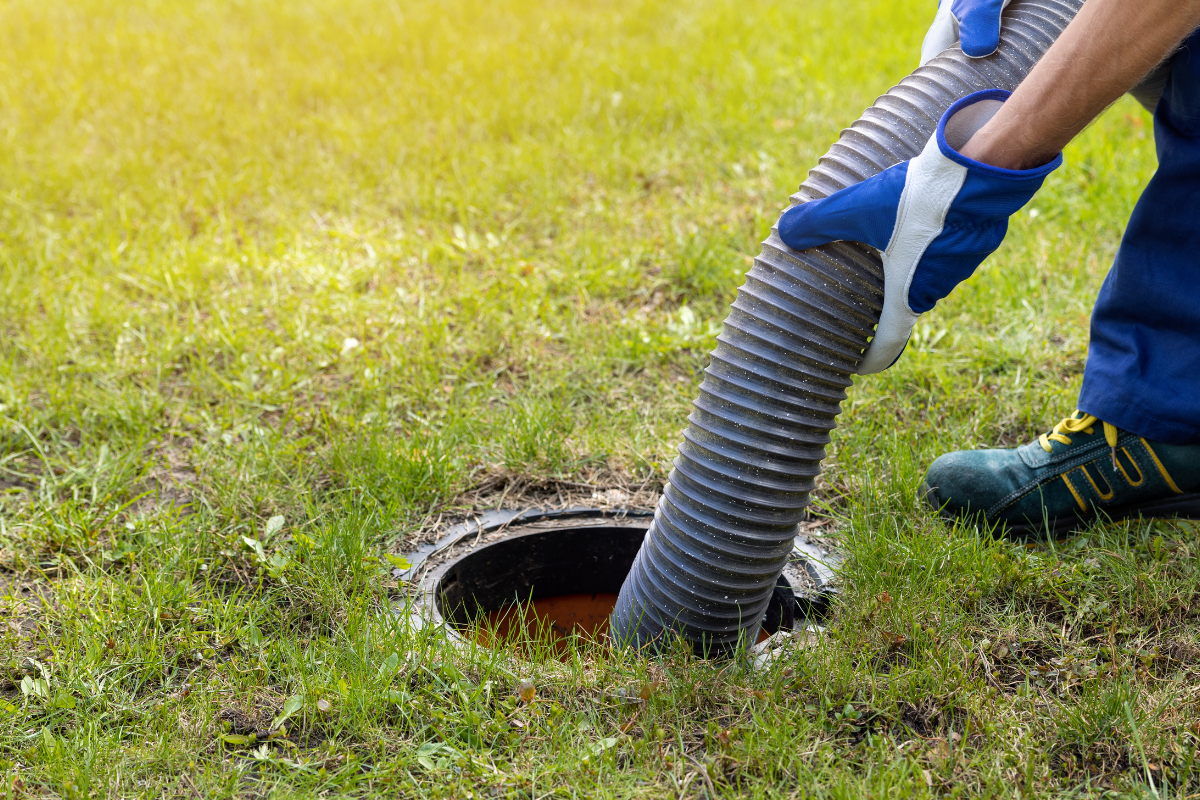

Homes in Alexandria behave like the city itself, historic at heart with layers of renovation and the occasional quirk. That character shows up in the plumbing: a 1930s cast iron main that meets a PVC addition, a clay sewer lateral that runs under a row of mature oaks, a remodel that moved the kitchen sink but never resized the branch line. After years crawling under crawlspaces from Old Town to Del Ray and jetting laterals west of Quaker Lane, I’ve learned that drains don’t clog randomly. They follow the seasons, your habits, and the materials in your walls and under your lawn. Set a rhythm for care and you avoid most emergencies. Let the system fend for itself and you pay for it on a holiday weekend when every shop is booked.
What follows is a practical seasonal maintenance checklist tailored for Alexandria’s housing stock and weather patterns, with explanations for why each task matters. You’ll see when a homeowner can confidently handle a small job, and where a professional drain cleaning service or sewer cleaning Alexandria crew earns its fee. I’ll also highlight cases where hydro jetting service, video inspection, or clogged drain repair outperforms the usual strategies.
Why drains in Alexandria need a seasonal plan
The biggest factors I see are tree roots, temperature swings, and mixed piping. Clay and early cast iron laterals develop joints and tiny separations that invite root intrusion. Spring growth and fall moisture push roots toward nutrient-rich sewer lines. Summers drive heavy garbage disposal use for cookouts and can bake soap scum into a stubborn ring inside older pipes. Winters create grease congealing and, in a few crawlspaces with poor insulation, ice films that narrow flow. Add local hard water that leaves mineral scale, and you get a pipeline that gets a little tighter every month.
Proactive work at the right time interrupts that slow narrowing. A gentle descaling in spring, a thorough kitchen reset after summer, and a sewer evaluation before leaves drop will keep the system at full diameter, which matters more than most people realize. A 10 percent loss in effective diameter can feel like nothing until a load of laundry, a shower, and a dishwasher all discharge in the same hour and you get a backup in the lowest fixture.
Spring: root scouting and recovery from winter habits
Spring is when roots wake up and begin exploring, but they’re still tender. If you have a clay or cast lateral, this is the best window for preventive action. I often start with a camera inspection from a ground-level cleanout if one exists. If not, I’ll pull a toilet for access, then reset the wax ring with an extra-thick seal to match old floors that went through multiple layers of tile.
What I’m looking for in April and May are wispy roots at the joints, waterline mineral scale, and any bellies that collect sediment. In the absence of major defects, a controlled hydro jetting service at moderate pressure clears soft roots before they thicken. Jetting is not brute force; with older clay, you dial down the PSI and use a root-rated nozzle to shave rather than gouge. In homes with PVC laterals, higher pressure is safe and restores full diameter with less time on site.
Inside the house, winter grease settles in horizontal kitchen runs and P-traps. Even careful cooks send small amounts of fat and food slurry down the line. Spring is a good time to restore flow with enzymatic treatments and a hot water regimen. Boiling water doesn’t solve grease that’s already bound to pipe walls, but sustained hot flows help, especially after a professional cleaning. For bathtubs and showers, winter dry air pulls more skin cells and hair into traps. Remove and clean the strainer, then hand-snake the first few feet. If the snake comes back with sticky gray buildup, expect slow draining again by fall unless you change habits.
An overlooked spring task is checking gutter downspouts and yard drains. Many Old Town townhomes tie area drains into the sanitary line. If you see fine silt in the basement floor drain after a storm, you likely share a combined run. Sediment can fill the trap and act like concrete. A wet vac and a quick flush now saves a crawlspace flood in summer.
Summer: kitchen discipline and laundry line vigilance
Summer amplifies kitchen loads. Fresh corn husks, melon rinds, and grill cleanup push disposals to their limits. I’ve pulled out enough peach pits to fill a planter. The best advice is to treat the disposal as a finisher, not a grinder. Scrape plates into a trash bin or compost first. Keep the disposal for thin, soft residues, then chase with strong flows of cold water that carry particles all the way to the stack.
The laundry standpipe is the sleeper issue. Newer high-efficiency washers discharge fast, and if your home keeps its original 1.5 inch standpipe, you’re asking for a wet floor. After a few years, lint coats the line in a felt-like mat. Summer lint loads combine with humidity and form a stubborn paste that a small hand snake will miss. A pro-grade drum machine with a small cutter clears that matte wall without shredding the old pipe. If you hear gurgling from an adjacent sink when the washer drains, your venting may be undersized or partially blocked. Birds build in open vent stacks and leave a nest that acts like a damp sponge, narrowing the opening. A quick rooftop visual inspection with a flashlight often reveals the culprit. Clear it before a thunderstorm forces water down the wrong pathways.
Basements in Alexandria range from beautifully finished spaces with sump systems to low ceiling rooms with an old floor drain tucked behind the furnace. Summer thunderstorms test those drains. Pour a gallon of water into the floor drain and watch the water level. If you see slow movement or hear bubbling, have the line cleaned or at least scoped. If the trap has evaporated, you’ll get sewer gas odors, which are more noticeable in humid heat. A trap primer or a simple reminder to pour in water monthly solves it.
Fall: sewer cleaning before leaf and root surges
By September and October, root growth has hardened. Leaves clog area drains, and early cold snaps encourage indoor cooking with fats that cool and gel. Early fall is prime time for a full sewer cleaning in Alexandria, especially for houses shaded by oaks, maples, or elms. This is where a combined approach works best: camera inspection to map the problem, mechanical rodding to open passages, then hydro jetting to scrape the remaining fines. If you try to jet a line full of fibrous roots without opening a pilot hole, you risk pushing a large mat further down to a worse location.
Homeowners sometimes ask why a simple drain cleaning isn’t enough. It can be, for PVC lines with minor scale. But clay joints with root intrusion behave like Velcro. A cutter head trims the Velcro loops, and jetting washes the fuzz away. Skip the second step and the cut ends become a new foothold.
Inside, fall is when bathroom drains tend to slow. More showers with cooler outdoor air means the temperature differential condenses soap scum faster on pipe walls. A routine that alternates enzyme cleaners and hot water flushes every two weeks keeps scum from setting. If your home has galvanized steel branch lines, visible in some 1940s bungalows, consider a professional descaling. Over decades, mineral and corrosion reduce the bore significantly. Hydro jetting can help, but for fully choked galvanized, mechanical reaming plus eventual replacement is the honest answer.
A final fall task: check every accessible cleanout. Exterior cleanouts should sit slightly above grade with caps that thread snugly. I see caps buried under mulch or soil so often that they might as well not exist. Expose them, verify threads are intact, and lubricate the cap threads with a light, non-hardening sealant. Your future self will thank you if you ever need an emergency unclog at dusk.
Winter: grease discipline and freeze watch
Our winters are not Minneapolis-cold, but a drafty crawlspace and a windy week can drop pipe temperatures enough to create trouble. Grease is the winter villain. It leaves the pan warm and fluid, it reaches a 40 degree elbow behind the cabinet, and it freezes to a buttery ring that never quite washes away. That ring collects crumbs, then hair from a nearby lavatory line, then scale. The best practice is brutal simplicity: wipe pans with a paper towel, bin the waste, and avoid pouring fats. If you must, emulsify with dish soap and chase with sustained hot water for several minutes, not a quick splash. Even then, it’s mitigation, not elimination.
Watch for crawlspace vents left open in December. A breeze on a long, under-insulated run can chill a trap arm and create a temporary ice shelf at bends. The symptom is a drain that runs fine in the afternoon but gulps and slows on cold mornings. Insulating exposed horizontal runs helps. Foam sleeves are a cheap fix, but in very tight crawlspaces, rigid foam board cut and strapped can provide better coverage around odd shapes.
Vacations around the holidays leave traps dry and odors creeping in. Before you leave, fill every trap with water and add a couple of tablespoons of mineral oil. The oil floats and slows evaporation. Top-load washing machines also have sumps that can dry and smell. Run a rinse cycle before you go, leave the lid cracked, and turn off the water supply lines to reduce risk while you’re away.
A homeowner’s seasonal checklist that actually works
Use this tight, realistic checklist to catch the high-impact items without turning your weekends into plumbing chores.
- Spring: camera inspect the main if you have clay or cast iron, jet soft roots at low pressure, clean shower strainers, hand-snake first few feet, wet-vac floor drains and confirm trap water. Summer: flush kitchen lines with sustained cold water during heavy disposal use, desilt basement floor drains, verify laundry standpipe keeps up with discharge, clear roof vents of nests, top up dry traps. Fall: schedule sewer cleaning Alexandria before the first hard freeze if trees are near the lateral, inspect exterior cleanouts and expose buried caps, rotate enzyme and hot water maintenance in baths, scope for bellies after heavy rains. Winter: tighten grease control, insulate cold crawlspace runs, add mineral oil to traps before travel, listen for morning gurgles that signal partial icing, plan non-emergency jetting or clogged drain repair for January when schedules open.
When to call a professional, and when not to
Plenty of tasks are safe for a careful homeowner: cleaning strainers, hand-snaking traps, flushing with hot water, and maintaining trap seals. Once symptoms include repeated backups at a basement floor drain, simultaneous slowdowns across multiple fixtures, sewage odors with no clear source, or gurgling when different fixtures run, it’s time for a professional drain cleaning service.
Two services out-earn their reputation. Hydro jetting service, properly done, restores pipe diameter better than cables alone by cutting soft deposits and flushing them. It shines in grease-laden kitchen lines and in laterals with fine roots. Second, video inspection with a color camera documents the state of your line. Keep the footage. If we see an offset joint at 42 feet just past a sidewalk tree, we can track whether it worsens year to year and time a repair rather than guessing. Footage also supports insurance claims or municipal coordination if your issue ties to the public main.
There are also times to say no to a service. If a galvanized branch is nearly occluded with rust tubercles, repeated jetting becomes expensive maintenance for a pipe past its useful life. Put that money toward replacement. If a clay lateral has a significant belly that holds several inches of water, jetting clears it for now, but solids will settle again. Either adjust expectations to annual cleaning or investigate spot repair that corrects the grade.
Materials matter: clay, cast iron, PVC, and hybrids
Alexandria’s plumbing map is a patchwork. Clay laterals dominated until the mid-20th century. They are not inherently terrible, but they rely on joints that age and admit roots. Cast iron arrived as a sturdy upgrade inside homes, quieter and stronger, but it scales and corrodes. PVC is common in newer work and remodels, smooth-walled and less prone to buildup. Many houses mix these: cast iron under the slab, a clay lateral, and PVC for newer branches. That mix dictates the right clogged drain repair approach.
Cables with specific cutter heads are gentler for cast iron to avoid gouging thin walls. Jetting pressures vary by material. For clay, moderate PSI with a root-cutting nozzle and frequent withdrawal to flush debris works well. For PVC, higher PSI is safe and effective, but you still need to control flow to avoid pushing a wad to the main. Descaling cast iron is a specialized task with chain flails or carbide heads at controlled RPM. Done poorly, it can thin the pipe drastically. Done well, it wins back significant capacity and buys years before replacement.
The grease myth, and what actually helps
You’ll hear advice to pour boiling water, vinegar, baking soda, or store-bought gels down a greasy kitchen line. Some help a little. Boiling water moves light grease if it’s fresh, but most of the time grease has emulsified with soaps into a sticky film that resists brief heat. Vinegar and baking soda fizz impressively and smell cleaner, but they do little to remove established biofilm. Caustic gels can work on newer deposits, yet in older lines with scale, the gel skates over that roughness and leaves patches that re-accumulate quickly. Enzymes, used regularly and allowed to sit overnight, digest the film slowly and are gentler on older pipes. They’re not a cure for a blocked line, https://collinfrhc860.theburnward.com/drain-cleaning-alexandria-preventing-recurring-clogs they’re a maintenance tool after a proper mechanical cleaning.
Best results come from habit changes combined with periodic professional cleaning. Scrape and bin, use a sink strainer, run the faucet for 20 to 30 seconds after shutting the disposal off, and schedule a kitchen branch cleaning every 18 to 36 months depending on use. Restaurants clean monthly for a reason. Homes aren’t restaurants, but family holidays can make them feel that way.
Telltale signs that predict a seasonal problem
Patterns matter. If your powder room sink gurgles every t